

Sleep Deprivation: The Hidden Accelerator of Biological Age
In an era of advanced health screenings and wearable technology, we are more obsessed than ever with tracking our daily metrics and gaining a competitive edge over the ageing process. Much of the discussion around improving our long-term health focuses on diet and exercise - and understandably so. These, alongside our genetics, play a significant role in how we age. However, one of the most influential and consistently overlooked factors in the longevity equation is sleep.
Despite our awareness that sleep is ‘good for us’, modern life is fundamentally misaligned with our circadian rhythm. Longer hours, increased screen use and constant connectivity can all erode both sleep quantity and quality. Our constant need for productivity and the feeling of never having enough hours in the day can place sleep lower down on our agenda, if it’s on there at all.
Unfortunately for those of us still clinging to the ‘sleep is for the weak’ mantra, the reality is sobering: chronic sleep deprivation doesn't just make us feel tired; it physically ages our cells, skin and cardiovascular system.

Sleep deprivation is now known to be heavily correlated with the development of various diseases, increasing risks of heart disease, cancers, and the ageing process.
The Cellular Toll: Why Sleep Loss is ‘Pro-Ageing’
When we sacrifice sleep, we interrupt the body’s primary maintenance window. This triggers several physiological processes that accelerate our biological clock:
Systemic Inflammation: Short sleep durations are linked to higher levels of C-reactive protein (CRP). This creates a chronic state of low grade inflammation – now termed ‘inflammageing’ – which damages healthy tissues and increases the risk of cardiovascular disease, DNA damage and even cancer progression.
DNA Repair & Telomeres: Telomeres are the protective caps on the ends of our chromosomes. They act as a biological countdown; as they shorten, our cells become ‘senescent’ (‘zombie cells’ nearing death) or they die altogether. During deep sleep, the body carries out essential DNA repair. Studies suggest that poor sleep correlates with accelerated telomere shortening, leading to premature tissue dysfunction and a reduced lifespan.
Glymphatic Clearance: During deep non-REM sleep our brains contract, increasing the brain’s ‘interstitial space’ by up to 60%. This is the free space available for our CSF (cerebrospinal fluid) to swish around and flush out waste products and debris. Some of these waste products such as amyloid-beta are neurotoxins, responsible for conditions such as Alzheimer’s Disease. Without this nightly ‘wash,’ these toxins accumulate and the brain effectively ages faster, increasing the risk of cognitive decline.
Dermatological Impact: ‘Beauty sleep’ isn’t an old wives’tale but a clinical reality. Sleep deprivation elevates cortisol, which breaks down collagen and the skin’s elasticity. With the rise of high-end collagen supplements and beauty products promising to ‘tackle the visible signs of ageing,’these products cannot substitute the rest required to repair skin tissue from within.
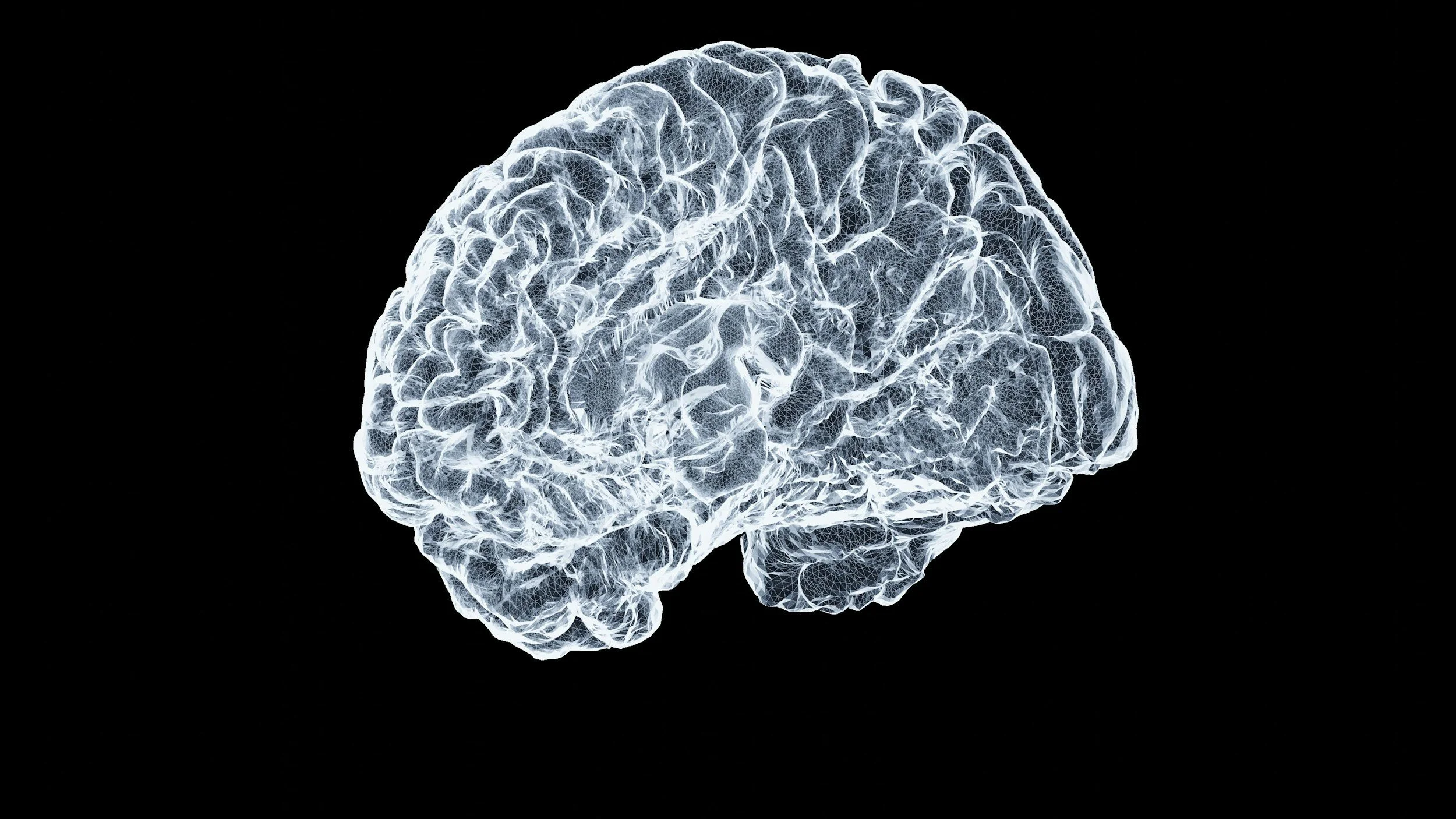
Scans now suggest that the brain is washed during sleep, removing waste and toxins.
The Sleep Strategy: A GP’s Checklist
It is never too late to address sleep problems, no matter how embedded they may feel. Here is how to recalibrate:
The 3-2-1 Rule: This facilitates the body’s transition from an ‘active’to a ‘restorative’ state. Finish meals 3 hours before bed to prevent digestion from raising your core temperature. Stop work 2 hours before bed – this lowers cortisol, the stress hormone that blocks melatonin. Finally, remove screens 1 hour before bed to stop blue light from affecting your ability to produce melatonin.
Thermal Regulation: A drop in core body temperature is a non-negotiable trigger for sleep. A hot bath before bed can help to draw heat to the surface of the skin, causing core body temperature to plummet once you step out. Aim for a bedroom temperature of approximately 18°C to facilitate the transition into deep sleep.
Light Exposure: Although genetics influence our predispositions, we can significantly shift our sleep chronotype – whether we function as a ‘night owl’ or a ‘morning lark’ – through light hygiene. Our master internal clock is highly sensitive to environmental cues; evening exposure to bright light signals ‘daytime’to the brain, exacerbating ‘night owl’ tendencies. This is clinically significant, as late chronotypes are more frequently linked to metabolic disorders and chronic fatigue. Utilizing dim, warm lighting in the evening helps realign your circadian rhythm and prevents the delay of restorative sleep cycles. Find out your chronotype at this link.
Consistency: A 2023 study in Sleep concluded that sleep regularity matters more than duration. In other words, going to bed and waking up at the same time every day – even on weekends – can lower the risk of all-cause mortality more effectively than simply ‘catching up’ on hours of sleep.
Beyond the ‘Life Hack’: When to Seek Professional Advice
For many, sleep issues are not a lifestyle choice but a clinical symptom. If you are struggling with persistent fatigue, it is vital to investigate the root cause rather than just treating the tiredness.
At Lisle Medical, we provide comprehensive reviews to rule out underlying physiological issues, including:
Blood tests: Looking at various parameters including thyroid function, hormone levels, and ruling out nutritional deficiencies (such as iron or B12) that mimic sleep deprivation.
Screening for Sleep Disorders: Identifying possible signs of Obstructive Sleep Apnoea (OSA)
Mental Health Support: Addressing the bidirectional link between anxiety, low mood and insomnia.
Prioritising sleep is not an admission of weakness; it is a crucial pillar of preventative medicine. Considering we spend a third of our lives asleep, it is worth giving it the attention it deserves, to set ourselves up for a lifetime of better health and longevity.

Birds have evolved to incorporate sleep independently of mammals, demonstrating the clear survival importance of sleep.
Contact us if you’re struggling.