


The Galleri® Test
A single blood test screening for a shared cancer signal across 50+ cancer types
Why it matters: the screening gap patients face today
Screening is recommended for only a small number of cancer types in the UK — including breast, cervical, bowel and targeted lung cancer screening
Around 6% of all cancers are currently diagnosed through screening programs
The UK has some of the lowest cancer survival2 and some of the highest rates of emergency cancer presentation3 among comparable high-income countries
Many cancers are not found until symptoms appear, and nearly half of staged-cancers are diagnosed at later stages, when they can be harder to treat.
How the Galleri® test can address this
Galleri is a multi-cancer early detection (MCED) test developed by GRAIL. Rather than looking for one cancer at a time, it analyses methylation patterns in cell-free DNA (cfDNA) in the bloodstream to identify a signal associated with cancer.
When a cancer signal is detected, the test correctly predicts the cancer signal origin in 93% of cases.
Its particular value is that most of these cancers have no recommended screening program in the UK at all. Galleri is designed to complement — not replace — established programmes such as breast, cervical and bowel screening.
Screen for 50+ Cancer Types — from a single blood sample
4x as many cancers were detected through screening when Galleri was added to usual NHS care, compared with usual NHS screening alone
<1/200 False Positive Cases — 99.6% Specificity
93% accuracy for cancer signal of origin — this guides an efficient diagnostic work-up
The science: how it works
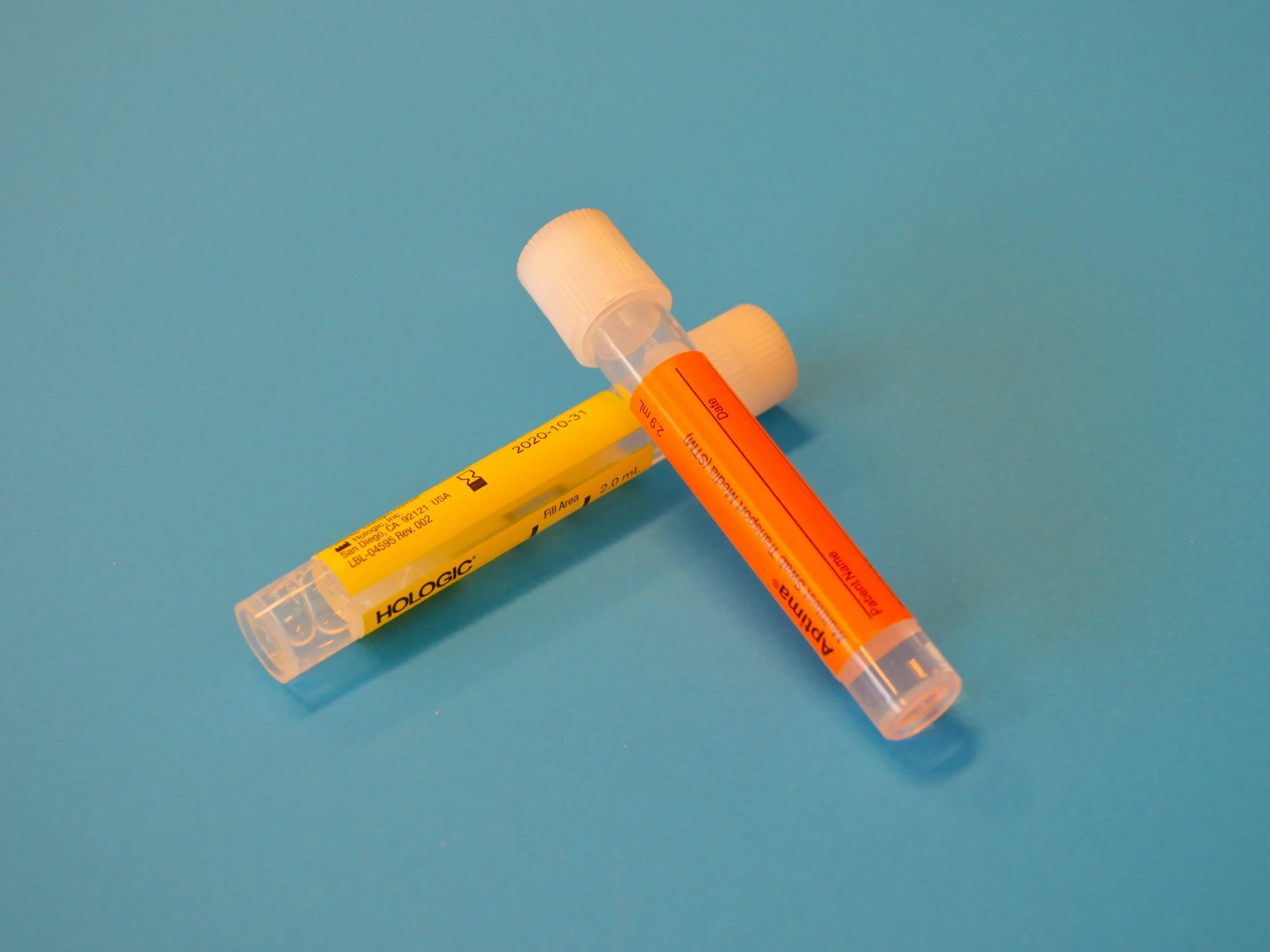
Blood sample — A single sample, no special prep
cfDNA extraction — DNA shed by cells is isolated
Methylation sequencing — Reads DNA methylation patterns
Methylation patterns classification — Determines if a cancer signal is present
Cancer Signal Origin — Predicts most likely tissue of origin
Who it’s for
Galleri is intended as an addition to standard screening for adults at higher risk of cancer:
Typically those aged 50 and over (but at least age 22).
Individuals with a personal history of cancer, smokers or former smokers
Anyone wishing to take a proactive approach with their health

Cancer screening tests.
For peace of mind.