

Flu and COVID vaccines this autumn: should you consider a private vaccination?
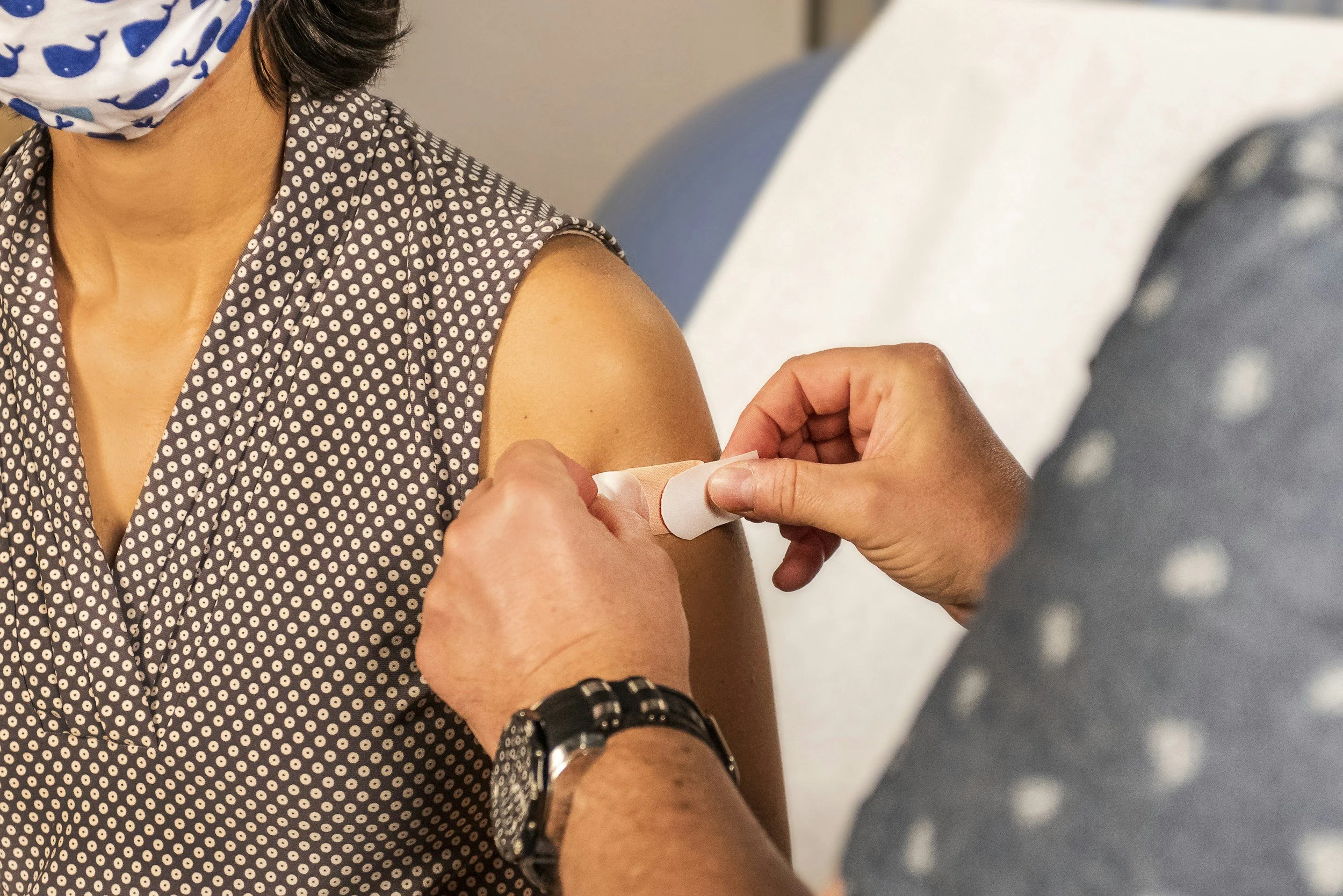
With autumn now in full swing, vaccination is one way to help protect yourself against seasonal illnesses. For those who are not eligible for a free NHS vaccine, is it still worth considering one privately?
For many people, the answer is yes, particularly when it comes to flu. While vaccination is especially important for people at higher risk of complications, healthy adults can also experience significant illness and disruption to family life.
Why consider a flu vaccine?
Influenza is more than just a bad cold. It can cause sudden fever, muscle aches, headaches, exhaustion and a cough that may leave you feeling unwell for a week or longer. Although many healthy adults recover without complications, flu can occasionally lead to pneumonia, hospital admission or worsening of existing medical conditions.
Annual vaccination reduces the risk of flu, although protection varies from season to season and is not guaranteed. It may also reduce the risk of severe illness if you become infected. For otherwise healthy adults who are not eligible for NHS vaccination, this may mean fewer days feeling unwell as well as potentially reducing the risk of passing flu to vulnerable people around them. The absolute benefit is generally greater for those at higher risk of complications.
What is different about the 2026/27 flu vaccine?
Flu viruses continually evolve, so the World Health Organization reviews surveillance data and recommends changes to vaccine composition each year. For the 2026/27 northern hemisphere season, the recommended trivalent flu vaccine contains three components designed to target:
Influenza A(H1N1)
Influenza A(H3N2)
Influenza B (Victoria lineage)
At Lisle Medical, we are oWering Supemtek TIVr, a recombinant, egg-free flu vaccine which is licensed for individuals aged 9 and over.
What about a private COVID-19 vaccine?
The NHS autumn 2026 COVID-19 programme is targeted at those considered most likely to benefit: adults aged 75 and over, residents in care homes for older adults and people aged six months or over who are immunosuppressed. The COVID-19 vaccines which are being used in the autumn 2026 programme have been updated to target more recent Omicron-family variants, helping the immune system recognise currently circulating strains.
COVID-19 remains in circulation but the balance of benefit from vaccination is different for each person. For younger, otherwise healthy adults, the risk of severe COVID-19 is generally lower than it was earlier in the pandemic. This means the additional benefit of another vaccine dose is likely to be more modest and depends on factors such as your age, health, previous vaccinations and infections.
Vaccination may still be worth discussing if you have concerns about COVID-19 or your personal circumstances. However, evidence that another dose will prevent infection or long COVID in an otherwise healthy individual is less certain than the evidence supporting vaccination against severe disease in higher-risk groups.
What should you expect after vaccination?
Both vaccines are generally well tolerated. Common side effects include a sore arm, tiredness, headache and mild muscle aches, which usually settle within a few days. Serious allergic reactions are rare.
The flu vaccine does not cause flu. Injectable flu vaccines do not contain live influenza virus capable of causing influenza infection. COVID-19 vaccines can cause short-lived symptoms as your immune system responds but they cannot give you COVID-19.
If you have had a serious allergic reaction to a previous vaccine or any of its ingredients, or you are currently unwell with a significant fever, please discuss this with the doctor before having your vaccination.
What else can I do to remain well this winter?
Vitamin D is worth considering as the days get shorter. In the UK, adults are advised to consider taking 10 micrograms (400 IU) daily during autumn and winter, when sunlight is insufficient for most people to make enough. Vitamin D supports normal immune function, although supplementation is not a guaranteed way to prevent respiratory infections. Beyond this, prioritise consistent, good-quality sleep and keep up regular exercise (including strength training). Muscle helps support metabolic health and physical resilience during illness, particularly as we age. A plant-rich diet provides fibre to support the gut microbiome, which plays an important role in immune health. While no single lifestyle measure can guarantee protection from winter infections, these habits support your overall health and wellbeing throughout the colder months.
Considering vaccination this winter?
If you are considering a flu vaccine, a COVID-19 vaccine, or both, please contact the clinic to discuss current availability and arrange an appointment. We can help you understand whether a private seasonal vaccination is appropriate for you, taking into account your medical history, NHS eligibility and individual priorities.